
Thanksgiving dinner is one of the best meals of the year, and nobody should have to sit it out. If you live with diabetes or high blood pressure, though, one big holiday meal can push your blood sugar or blood pressure higher than you’d like. The good news: a few simple habits let you enjoy every part of the day without paying for it on Friday morning.
This year Thanksgiving falls on Thursday, November 26, 2026. Below are nine practical tips from our family medicine team in Niles, IL, the same advice we give patients in the exam room, in English, Ukrainian, Russian or Polish.
Why Thanksgiving dinner is harder on blood sugar and blood pressure
A typical Thanksgiving dinner is heavy in three things at once: refined starches, added sugar and salt. Mashed potatoes, stuffing, rolls, sweet potato casserole and pie all raise blood sugar. Gravy, ham, stuffing mixes and canned sides carry a lot of sodium, which can raise blood pressure.
On top of that, the day itself is unusual. Meals happen at odd hours, people skip breakfast to “save room,” drinks start early, and medication schedules slip. None of this is a reason to worry. It’s simply why a little planning goes a long way.
Tip 1: Don’t skip meals before Thanksgiving dinner
It’s tempting to fast all morning so you can enjoy more later. For people with diabetes, especially those on insulin or certain pills, skipping meals can cause low blood sugar earlier in the day and then a large spike after the big meal.
Instead, eat a normal, balanced breakfast with protein and fiber. Eggs with vegetables, Greek yogurt with nuts, or oatmeal with a boiled egg are all good choices. You’ll arrive at the table less hungry, which makes portion control much easier.
Tip 2: Build your Thanksgiving dinner plate with the plate method
The American Diabetes Association’s food and nutrition guidance recommends a simple visual approach that works well on a holiday table:
- Half the plate: non-starchy vegetables such as green beans, salad, roasted Brussels sprouts, carrots or beets.
- A quarter of the plate: lean protein, such as white-meat turkey without the skin.
- A quarter of the plate: starches, such as mashed potatoes, stuffing, a roll or sweet potatoes.
You don’t have to give up the starches you love at Thanksgiving dinner. Pick the one or two you look forward to most, take a small spoonful of each, and skip the ones you can have any day of the year.
A quick way to fill half the plate with vegetables
If you’re a guest, offer to bring a vegetable dish. That way you know there’s at least one healthy, lower-sodium option on the table. A big green salad with oil and vinegar, roasted vegetables with herbs, or a simple beet salad are all easy to carry.
Tip 3: Slow down and pace your Thanksgiving dinner
It takes about 20 minutes for your body to register that you’re full. Eating slowly gives that signal time to arrive before you’ve reached for seconds.
A few simple ways to pace yourself:
- Put your fork down between bites and join the conversation.
- Drink a glass of water before you start and another during the meal.
- Wait at least 15–20 minutes before deciding on seconds.
- Use a smaller plate if one is available.
Pacing also helps with heartburn and the sluggish, overfull feeling many people get after Thanksgiving dinner.
Tip 4: Watch the hidden sodium in your Thanksgiving dinner
Salt is the part of a holiday meal people notice least. The American Heart Association’s sodium guidance recommends no more than 2,300 mg of sodium a day, and an ideal limit of 1,500 mg for most adults, especially those with high blood pressure. A single holiday plate can use up much of that.
The biggest sources of sodium at a typical Thanksgiving dinner:
- Gravy, especially from a packet or jar.
- Stuffing, particularly boxed stuffing mixes.
- Ham and other cured or smoked meats.
- Pre-brined or “self-basting” turkeys, which are injected with a salt solution.
- Canned vegetables, soups and cranberry sauce.
- Rolls and bread, which add up quickly.
- Pickled and salted side dishes.
Simple ways to cut sodium if you’re cooking
- Buy a fresh, unbrined turkey and season it with herbs, garlic, lemon and pepper.
- Make gravy from the pan drippings with low-sodium broth, and taste it before adding salt.
- Choose “no salt added” canned vegetables, or rinse regular canned vegetables under water.
- Season vegetables with olive oil, herbs and citrus instead of salt.
- Put the salt shaker away and let guests add their own.
If you take blood pressure medication, cutting sodium also helps the medicine do its job.
Tip 5: Keep your medicines and blood sugar checks on schedule
Holidays throw off routines, and missed doses are one of the most common reasons we see high readings after Thanksgiving dinner. Before Thursday:
- Check your supply. Make sure you have enough of every prescription to last through the long weekend, since some pharmacies keep shorter hours on the holiday.
- Set phone reminders for each dose, especially if you’re traveling or eating at an unusual time.
- Pack your glucose meter, strips and lancets, or make sure your continuous glucose monitor sensor won’t expire mid-weekend.
- Bring glucose tablets or juice in case of a low.
If you use insulin, ask your doctor ahead of time how to time your doses around a large, late meal. Please don’t change your insulin or medication doses on your own.

Tip 6: Take a walk after Thanksgiving dinner
A 10- to 20-minute walk after a meal is one of the simplest ways to lower the blood sugar rise that follows it. Your muscles use glucose as fuel, so even gentle movement helps.
Make it a family tradition:
- Walk around the block before dessert.
- Toss a football in the yard with the kids.
- Help clear the table and wash dishes instead of moving straight to the couch.
If you have heart disease, joint problems or any condition that limits activity, keep the pace comfortable and check with your doctor about what’s safe for you.
Tip 7: Be careful with alcohol and “holiday heart”
Alcohol affects both blood sugar and blood pressure. For people with diabetes, alcohol can cause blood sugar to drop hours later, sometimes overnight, especially with insulin or certain oral medications. Sweet wines, liqueurs, eggnog and mixed drinks can also raise blood sugar quickly.
Heavy drinking around holidays is also linked to episodes of an irregular heartbeat called atrial fibrillation, sometimes called “holiday heart.” The American Heart Association explains atrial fibrillation and its warning signs, including a racing or fluttering heartbeat, shortness of breath, dizziness and fatigue.
If you choose to drink at Thanksgiving dinner:
- Have it with food, never on an empty stomach.
- Stick to one drink, or two at most, and alternate with water.
- Choose dry wine or a light beer over sweet cocktails.
- Check your blood sugar before bed if you have diabetes.
Tip 8: Enjoy family traditions, just in smaller portions
Many families in our area set a Thanksgiving dinner table that blends American classics with Ukrainian, Polish and Russian dishes: dumplings, cabbage rolls, potato dishes, cured and smoked meats, pickled vegetables, rich salads with mayonnaise, and homemade pastries. These dishes are part of who we are, and they belong at the holiday table.
They also tend to be high in starch, salt or both. The same rules apply:
- Take a small taste of each traditional dish rather than a full serving.
- Pair heavier dishes with plenty of vegetables.
- Watch the pickled and cured items if you have high blood pressure.
- Share desserts: half a slice of pie or one pastry instead of three.
Our team speaks Ukrainian, Russian and Polish, so if it’s easier to talk through your family’s favorite foods in your own language, we’re happy to do that at your next visit.
Tip 9: Plan dessert as part of the meal
Dessert is the part of Thanksgiving dinner most people look forward to, and it doesn’t have to be off-limits. For blood sugar, it helps to count it as part of the meal rather than an extra.
- If you know you want pie, take a smaller portion of starches at dinner.
- Choose one dessert and enjoy it slowly.
- Pumpkin pie generally has less sugar per slice than pecan pie.
- Skip the whipped cream topping or use a small spoonful.
- Wait a little after dinner, maybe after your walk, before having dessert.
Hosting a healthier Thanksgiving dinner for everyone
If you’re the one cooking, you can make the whole table friendlier for guests with diabetes or high blood pressure, and nobody has to notice. Small swaps add up without changing the feel of a traditional Thanksgiving dinner.
Easy swaps that keep the flavor
- Mashed potatoes: mix in mashed cauliflower for part of the potatoes, and use a little olive oil or a modest amount of butter.
- Sweet potatoes: roast them with cinnamon instead of topping them with marshmallows and brown sugar.
- Green bean casserole: use fresh green beans, sautéed mushrooms and a homemade sauce instead of canned soup.
- Cranberry sauce: make it from fresh cranberries and sweeten it lightly, so you control the sugar.
- Stuffing: add extra celery, onions, mushrooms and herbs, and use low-sodium broth.
- Drinks: set out sparkling water with lemon, lime or cranberries alongside other drinks.
Make the table work for every guest
Label dishes that are lower in sugar or salt so guests can choose without asking. Serve the vegetables and salad first, while people are hungriest. Keep a pitcher of water on the table. These small touches make Thanksgiving dinner easier for anyone managing a health condition, and they’re welcome for everyone else too.
Traveling for Thanksgiving dinner
Many families in Niles and the surrounding suburbs drive to relatives across Chicagoland or fly to see family farther away. Travel adds its own challenges for anyone with a chronic condition.
- Pack medicines in your carry-on, never in checked luggage, along with a list of your prescriptions and doses.
- Bring healthy snacks such as nuts, cheese or fruit, so you’re not relying on airport or gas-station food before Thanksgiving dinner.
- Stay hydrated, especially on flights.
- Get up and move every hour or two on long drives or flights to keep blood flowing in your legs.
- Adjust for time zones. If you cross time zones, ask your doctor ahead of time how to time insulin or other medicines.
If you’re hosting relatives from out of town, remind them to bring their own medicines and supplies. A forgotten pill bottle is one of the most common holiday-weekend problems.

Keep Thanksgiving dinner leftovers safe
Food poisoning is no fun for anyone, and it can be especially hard on older adults, young children and people with chronic illnesses. A few food-safety basics for the holiday:
- Thaw the turkey in the refrigerator, allowing about 24 hours for every 4 to 5 pounds.
- Cook the turkey to an internal temperature of 165°F, measured with a food thermometer in the thickest part of the thigh, the wing and the breast.
- Refrigerate leftovers within 2 hours of the meal.
- Eat refrigerated leftovers within 3 to 4 days, or freeze them for later.
For more detail, see the government’s four steps to food safety.
Making leftovers healthier
Leftovers are a chance to rebalance. Turn extra turkey into a big salad, a vegetable soup with low-sodium broth, or a wrap with plenty of greens. Freeze leftover pie in single slices so it doesn’t all have to be eaten that weekend.
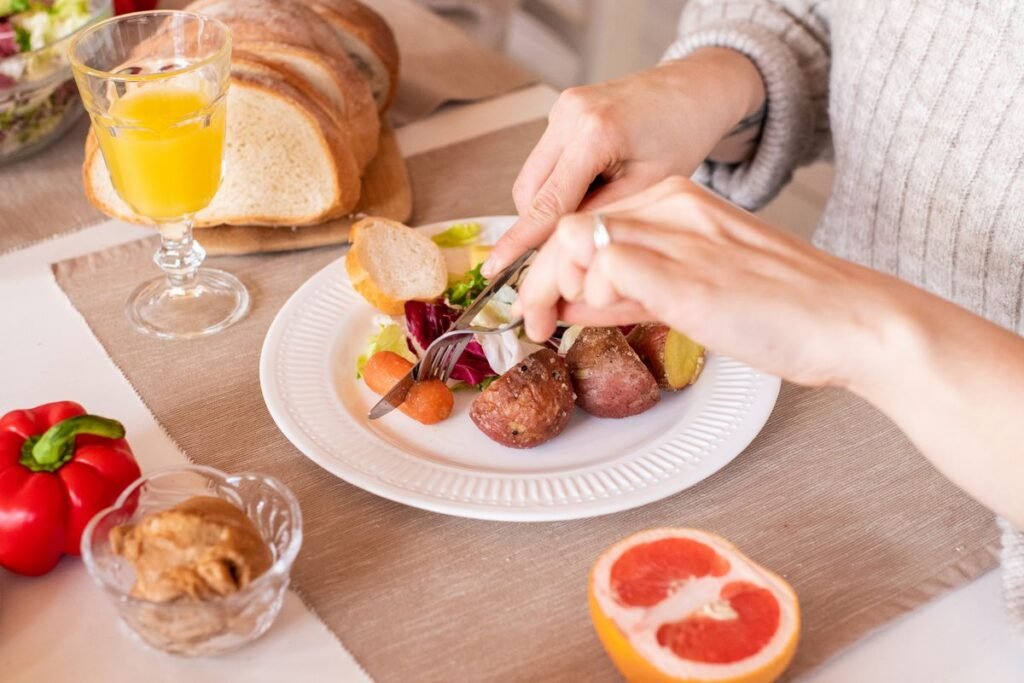
A Thanksgiving dinner checklist for diabetes and high blood pressure
Here’s a short version you can save on your phone:
- Eat a normal breakfast; don’t “save up” for dinner.
- Fill half your plate with vegetables, a quarter with turkey, a quarter with starches.
- Eat slowly and drink water with the meal.
- Go easy on gravy, ham, stuffing and pickled dishes.
- Take your medicines on time and pack your meter and supplies.
- Walk for 10–20 minutes after eating.
- Limit alcohol and never drink on an empty stomach.
- Enjoy small tastes of family favorites.
- Plan dessert as part of the meal, not an extra.
When to call your doctor after Thanksgiving dinner
Most people feel fine the day after a big meal, maybe a little tired or bloated. But some symptoms need attention.
Call 911 right away for chest pain or pressure, trouble breathing, sudden weakness or numbness on one side, confusion, trouble speaking, fainting, or a very fast or irregular heartbeat with dizziness.
Call your doctor if you notice:
- Blood sugar readings that stay much higher than your usual target, especially with extreme thirst, frequent urination or nausea.
- Repeated low blood sugar readings.
- Blood pressure readings well above your usual numbers, especially with a severe headache or vision changes.
- Vomiting or diarrhea that keeps you from holding down fluids or your medicines.
- Swelling in your legs or sudden weight gain over a day or two.
If you’re one of our patients and something doesn’t feel right, call us at 847-375-9711. We offer same-day sick visits for problems that can’t wait.
Book a follow-up after the holidays
The weeks between Thanksgiving dinner and New Year’s are a good time to check in on your numbers. A December or January visit lets us:
- Check your A1c with on-site labs, so we can see how your blood sugar has been trending.
- Recheck your blood pressure and adjust medication if needed.
- Review your prescriptions so you start the new year with the right refills.
- Talk through realistic goals for eating, activity and weight.
Learn more about how we manage diabetes, high blood pressure and other long-term conditions on our medical services page. We accept Medicare, Blue Cross Blue Shield PPO, Ambetter and IlliniCare, and offer self-pay options; see our insurance page for details.
Frequently asked questions about Thanksgiving dinner and chronic conditions
Can I eat pie if I have diabetes?
Yes, in a small portion, planned as part of the meal. Taking fewer starches at dinner and going for a walk afterward both help. Checking your blood sugar a couple of hours later shows you how your body handled it.
Is turkey good for high blood pressure?
Plain roasted turkey is a lean, low-sodium protein. The sodium usually comes from brining, gravy and stuffing, not the turkey itself. White meat without the skin is the leanest choice.
Should I take my blood pressure medicine on Thanksgiving?
Yes. Take every medicine as prescribed, at your usual time. If the holiday schedule makes that hard, set a phone reminder. Don’t skip or double doses without talking to your doctor.
What if my blood sugar is high the morning after Thanksgiving dinner?
One high reading after a holiday meal is common. Go back to your usual eating plan, drink water, take your medicines and get some light activity. If readings stay high for more than a day or two, or you feel unwell, call your doctor.
This article is general information
This article is for general education and isn’t a substitute for personal medical advice. Everyone’s condition, medicines and targets are different. Talk with your own doctor before changing your diet, activity or medications. For a medical emergency, call 911.
Schedule your visit at Wellness Medical Center
We’re a board-certified family medicine practice at 8937 W Golf Rd in Niles, IL, led by Dr. Olena Gordon, MD, with nurse practitioner Svetlana Bielecki, APN. We care for children, adults and seniors, in English, Ukrainian, Russian and Polish.
From all of us, have a happy and healthy Thanksgiving dinner with the people you love. When you’re ready for a check-in, book your appointment online or call us at 847-375-9711.