
Food poisoning is the uninvited guest nobody plans for. Thanksgiving falls on Thursday, November 26, 2026, and with big meals, long buffets and a refrigerator full of leftovers, the weekend after is when many stomach complaints show up. Most cases pass on their own with rest and fluids, but a few signs mean it’s time to see a doctor.
This guide explains what food poisoning feels like, why holiday meals raise the risk, how to care for yourself at home, and the seven warning signs that should send you to a clinician. If you’re near Niles, our team offers same-day sick visits in English, Ukrainian, Russian and Polish.
What food poisoning actually is
Food poisoning is an illness caused by eating food or drinks contaminated with germs such as bacteria, viruses or parasites, or with toxins some germs produce. Doctors also call it foodborne illness.
The germs usually irritate the stomach and intestines. Your body responds by trying to clear them out, which is why vomiting and diarrhea are so common. Unpleasant as it is, that response is part of how you recover.
Food poisoning is different from simply eating too much. A heavy holiday meal can leave you bloated, sluggish or dealing with heartburn. Those feelings fade within hours. Food poisoning tends to bring repeated vomiting or diarrhea, cramping, and sometimes fever.
Common symptoms of food poisoning
The most common symptoms of food poisoning include:
- Nausea
- Vomiting
- Diarrhea, sometimes watery
- Stomach cramps or pain
- Fever in some cases
- Feeling weak, tired or achy
Symptoms can start within hours of eating, or they may take days to appear, depending on the germ. That delay is why it’s often hard to know exactly which dish was the culprit. The turkey sandwich you ate Saturday may not be the problem; it could have been something from Thursday.
Most healthy adults feel better within a few days. The main danger for most people is not the germ itself but losing too much fluid along the way.
Why food poisoning risk rises at Thanksgiving
Holiday cooking is different from everyday cooking. The meals are larger, the timing is unusual, and kitchens are crowded. Several Thanksgiving habits make food poisoning more likely.
Undercooked turkey
A whole turkey is large and dense. The outside can look golden and done while the thickest parts are still undercooked. Poultry can carry bacteria that only a thorough cook will kill. The safe target is an internal temperature of 165°F, measured with a food thermometer, not by color or by how long it has been in the oven.
Stuffing cooked inside the bird
Stuffing packed inside the turkey soaks up raw poultry juices. It also heats more slowly than the meat around it. Even when the turkey reaches a safe temperature, the stuffing in the center may not. Many cooks now bake stuffing in a separate dish, which is easier to heat all the way through.
Food left out too long
At a long holiday gathering, dishes often sit on the counter or table for hours while people talk, watch football and come back for seconds. Bacteria grow fastest at room temperature. The longer perishable food stays out, the higher the food poisoning risk.
Large batches cooled slowly
Big pots of gravy, stuffing or mashed potatoes take a long time to cool when they go into the refrigerator as one large mass. The center can stay warm long enough for bacteria to multiply. Splitting leftovers into shallow containers helps them cool quickly.
Cross-contamination from raw poultry
Raw turkey juices can spread to cutting boards, knives, countertops, sink handles and hands. If a salad or a relish tray gets prepared on the same surface without washing it first, germs can move from the raw bird to food that will never be cooked.

Caring for food poisoning at home
Most food poisoning can be managed at home with simple care. The goal is to stay hydrated, rest, and give your stomach time to settle.
Sip fluids, slowly and often
Vomiting and diarrhea drain water and salts from your body. Replacing them is the most important part of home care. Take small sips frequently rather than gulping a full glass, which can trigger more vomiting.
Water helps, but oral rehydration solutions are better when you’re losing a lot of fluid, because they replace salts and sugar in the right balance. They’re sold at pharmacies and grocery stores. Clear broth can also help.
Rest
Your body is working hard to clear the infection. Sleep and rest as much as you can. There’s no need to push through a busy holiday weekend if you feel unwell.
Ease back into food
When the vomiting stops and you feel hungry, start with small amounts of bland foods you tolerate well, such as toast, crackers, rice, bananas or plain soup. Return to your normal diet gradually. Rich, greasy or spicy leftovers can wait a few days.
Be careful with anti-diarrheal medicine
Over-the-counter anti-diarrheal medicines can make you more comfortable in some cases. But don’t use them if you have bloody diarrhea or a high fever unless a doctor advises it. In those situations, slowing the gut down can keep the germ in your system longer.
Watch the people around you
If several people who shared the same meal get sick, that points toward food poisoning from a shared dish. Keep an eye on anyone in the household who is older, very young, pregnant or has a weakened immune system. They are more likely to get seriously ill.
Food poisoning warning signs: when to see a doctor
Most food poisoning settles on its own. These seven warning signs mean it’s time to call a doctor or book a visit.
1. Diarrhea with a fever above 102°F
A mild fever can come with food poisoning. Diarrhea together with a fever above 102°F suggests a more serious infection that a clinician should evaluate.
2. Diarrhea that lasts more than 3 days
Most cases improve within a few days. If diarrhea lasts more than 3 days without getting better, see a doctor. You may need testing or treatment, and you’re at greater risk of dehydration.
3. Bloody diarrhea
Blood in the stool is never something to wait out. It can signal an infection that needs medical care. Don’t take anti-diarrheal medicine on your own if you notice blood.
4. Vomiting so much you can’t keep liquids down
If every sip of water comes back up, you can’t replace lost fluid at home. A clinician can help control the vomiting and decide whether you need more fluids than you can take by mouth.
5. Signs of dehydration
Watch for these dehydration warning signs:
- Little or no urine
- A very dry mouth and throat
- Feeling dizzy or lightheaded when you stand up
- Unusual tiredness or weakness
Dehydration can become serious quickly, especially in older adults and young children.
6. You’re in a higher-risk group
Some people should call a doctor sooner, even when symptoms seem mild at first:
- Older adults
- Young children
- Pregnant people
- Anyone with a weakened immune system, for example from cancer treatment, an organ transplant or certain medicines
For these groups, food poisoning is more likely to lead to dehydration or complications.
7. Symptoms that keep getting worse
Trust your instincts. If you feel worse each day instead of slowly better, or something simply doesn’t feel right, get checked. It’s always reasonable to ask.
When to call 911. Call 911 or go to the nearest emergency room for severe dehydration with confusion or fainting, or for vomiting blood. Don’t wait for a clinic appointment in an emergency.

Food poisoning in children and older adults
Food poisoning affects every age, but the youngest and oldest family members deserve extra attention over the holiday.
Children
Young children have smaller bodies and lose fluid faster. Offer small, frequent sips of an oral rehydration solution. Watch for fewer wet diapers or trips to the bathroom, no tears when crying, unusual sleepiness, or a dry mouth. Those are reasons to call the doctor promptly.
If your child also has a fever, our guide on flu season covers other common winter illnesses that can look similar at first.
Older adults
Older adults may not feel thirsty even when they’re low on fluids. Some medicines, such as water pills or certain blood pressure medicines, can make dehydration more likely. If an older relative gets sick after the holiday meal, check on them often and encourage fluids. Call their doctor if they seem confused, unusually weak or dizzy.
Is it food poisoning or a stomach virus?
Food poisoning and stomach viruses cause very similar symptoms, and winter is a busy season for both. A few clues can help, though only a clinician can tell for sure.
Food poisoning is more likely when several people who ate the same dish get sick around the same time. A stomach virus tends to spread from person to person over several days, so cases may appear one after another in a household.
In practice, the home care is the same: fluids, rest and bland food. The warning signs for seeing a doctor are the same too. Either way, wash your hands well and avoid preparing food for others while you’re sick.
How to prevent food poisoning this Thanksgiving
Prevention is easier than recovery. A few kitchen habits greatly lower the chance of food poisoning at your table.
Cook the turkey to 165°F
Use a food thermometer. Check the thickest part of the thigh, the wing and the thickest part of the breast. The turkey is safe when each spot reads 165°F. If you cook stuffing inside the bird, check that it reaches 165°F as well.
Keep raw poultry separate
Use one cutting board for raw turkey and another for vegetables, bread and anything served raw. Wash hands, boards and utensils with hot, soapy water after touching raw poultry.
Refrigerate leftovers within 2 hours
Put leftovers in the refrigerator within 2 hours of the meal. Divide large amounts into shallow containers so they cool quickly. Take the meat off the bone before storing a big turkey.
Eat leftovers within 3–4 days
Refrigerated leftovers are best eaten within 3–4 days. If you won’t get to them in time, freeze them. When in doubt, throw it out.
Reheat to 165°F
Reheat leftovers until they reach 165°F, and bring gravy to a rolling boil. Stir and check the center of dishes, since microwaves heat unevenly.
For more holiday tips, including how to build a balanced plate if you manage diabetes or high blood pressure, see our guide to a healthier Thanksgiving dinner.
Sending leftovers home with guests
Many families pack plates for relatives to take home. That’s a generous tradition, and a little planning keeps it safe.
Pack leftovers in clean, sealed containers while the food is still fresh, rather than at the end of a long evening. Label each container with the date so guests know when it was made. If someone has a long drive, send the food in a cooler with ice packs.
Remind guests to put the food in their refrigerator as soon as they get home. A container left in a warm car or forgotten on a kitchen counter overnight is a common source of food poisoning after the holidays.
Handwashing: the simplest protection
Clean hands prevent a surprising amount of illness in a busy holiday kitchen. Wash with soap and warm water before cooking, after handling raw turkey, after using the bathroom, after changing a diaper and before eating.
Keep a bottle of hand soap and clean towels by the kitchen sink so every helper can wash easily. Hand sanitizer is useful when soap and water aren’t nearby, but it isn’t a substitute for washing after touching raw poultry.
If you’re already feeling unwell, step back from cooking and serving. It’s a kind way to protect the people you love from catching what you have.
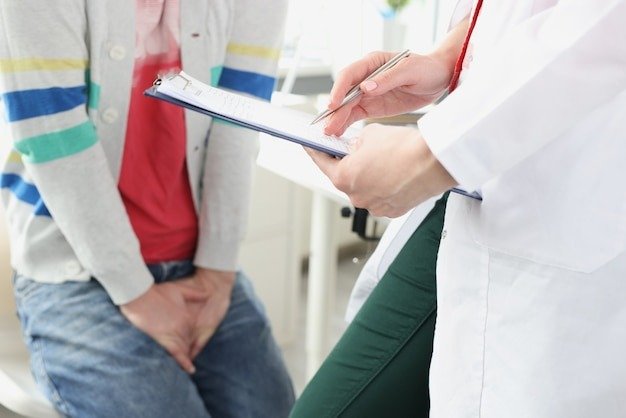
Food poisoning and chronic health conditions
If you live with a chronic condition, food poisoning can upset more than your stomach.
People with diabetes may find their blood sugar harder to control when they can’t eat normally or are losing fluid. If you take insulin or certain diabetes medicines, ask your doctor ahead of time how to manage sick days. Check your blood sugar more often while you’re ill.
People who take blood pressure medicines, especially water pills, can become dehydrated more easily. Some medicines may need to be adjusted while you’re sick. Don’t stop or change any prescription on your own; call your doctor for guidance.
Kidney disease, heart disease and conditions that weaken the immune system also raise the stakes. If any of these apply to you, call sooner rather than later.
How Wellness Medical Center can help with food poisoning
When food poisoning or a stomach bug needs a professional look, a same-day visit can save you a long wait in an emergency room for a problem that isn’t an emergency.
At Wellness Medical Center in Niles, Dr. Olena Gordon, MD, a board-certified family physician, and nurse practitioner Svetlana Bielecki, APN, care for children, adults and seniors. We hold same-day appointment slots for sick visits and accept walk-ins for urgent concerns as availability allows. Calling in the morning gives you the best chance at a same-day slot.
During a visit, we’ll:
- Ask about your symptoms, what you ate and who else is sick
- Check for signs of dehydration
- Review your medicines and chronic conditions
- Decide whether you need tests or treatment
- Give you a clear plan for fluids, food and follow-up
We can also talk it through in English, Ukrainian, Russian or Polish, so you can describe exactly how you feel. Learn more about the care we provide on our medical services page.
Food poisoning FAQ
How long does food poisoning last?
Most cases improve within a few days. If diarrhea lasts more than 3 days without getting better, or you develop any warning signs, see a doctor.
How soon after eating does food poisoning start?
It depends on the germ. Symptoms can begin within hours of eating, or take days to appear.
What should I drink when I have food poisoning?
Small, frequent sips of water or an oral rehydration solution. Oral rehydration solutions replace both fluids and salts, which helps when you’re losing a lot through vomiting or diarrhea.
Should I take medicine to stop the diarrhea?
Sometimes it can help, but not if you have bloody diarrhea or a high fever unless a doctor advises it. Ask a clinician if you’re unsure.
Can I spread food poisoning to my family?
Some germs that cause food poisoning can spread from person to person. Wash your hands well, especially after using the bathroom, and avoid preparing food for others until you feel better.
When is food poisoning an emergency?
Call 911 for severe dehydration with confusion or fainting, or for vomiting blood. For diarrhea with a fever above 102°F, bloody diarrhea, or vomiting so much you can’t keep liquids down, contact a doctor promptly.
Are leftovers still safe on Monday?
Leftovers refrigerated within 2 hours of the meal are generally best eaten within 3–4 days. Reheat them to 165°F. If you’re unsure how long something has been sitting out, throw it away.
Learn more from trusted sources
For more background, MedlinePlus has a clear overview of food poisoning and foodborne illness, and a guide to dehydration and its warning signs.
This article is general information
This article is for general education and isn’t a substitute for personal medical advice. Everyone’s health and risks are different. If you’re worried about your symptoms, contact a healthcare professional. For a medical emergency, call 911.
Feeling sick after the holiday? We’re here to help
Food poisoning usually passes, but you don’t have to guess when something feels wrong. If you’re in Niles or nearby and need a same-day sick visit, request an appointment online or call us at 847-375-9711. We’re at 8937 W Golf Rd, Niles, IL 60714, with free parking on site.
From our team to yours, we wish you a safe, healthy and happy Thanksgiving.